Mullet Fish Around the Maltese Islands: An Encyclopedic Overview
The Ecology, Significance, and Culture of Mullets in Malta
Among the myriad of fish that populate the coastal and inshore waters, the mullet stands out as a group of species deeply woven into the ecological fabric and cultural heritage of Malta. This encyclopedic piece explores the biology, habitat, economic importance, culinary value, and conservation of mullet fish around the Maltese archipelago.
Taxonomy and Species Diversity
Mullets belong to the family Mugilidae, which is represented by several species in the waters surrounding Malta. The most commonly encountered species include:
- Flathead grey mullet (Mugil cephalus)
- Thinlip mullet (Liza ramada)
- Golden grey mullet (Liza aurata)
- Leaping mullet (Liza saliens)
- Sand grey mullet (Liza carinata)
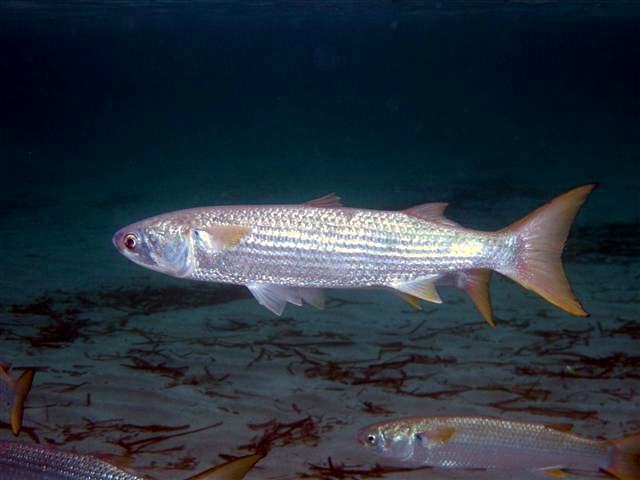
These species are locally known under various names, such as "Kahlija," "Mugil," and "Għarusa." They are easily recognized by their streamlined bodies, forked tails, and silvery scales, with subtle differences distinguishing each species. The flathead grey mullet is especially widespread, often seen swimming in schools near harbours, inlets, and estuaries.
Physical Characteristics
Mullets are medium-sized fish, typically ranging from 20 to 50 centimetres in length, although larger specimens, particularly of Mugil cephalus, have been recorded. Their bodies are robust, adapted for constant swimming, and covered with protective, small cycloid scales. The mouth is small, set in a relatively blunt head, reflecting their feeding habits as detritivores and grazers. They possess two separate dorsal fins, a characteristic feature of the family, and lack strong teeth, relying instead on their gill rakers and pharyngeal teeth for filtering food.
Habitat and Distribution in Malta
Mullets display remarkable adaptability, thriving in a range of habitats around the Maltese Islands. They are found:
- In shallow coastal waters over sandy and muddy bottoms
- Within harbours and marinas
- In brackish environments such as salt pans and estuaries
- Occasionally in rivers and freshwater inflows, especially after heavy rains
The presence of mullets is particularly notable in sheltered bays, such as Marsamxett, Marsascala, and St. Paul’s Bay, where schools can be observed feeding near the surface or bottom. Their tolerance for fluctuating salinity allows them to exploit areas affected by freshwater discharges and human activity, making them a familiar sight even in urban coastal settings.
Feeding Ecology
Mullets are primarily detritivores and omnivores, playing a vital role in the marine ecosystem by recycling organic material. Their diet consists of:
- Algae
- Plant detritus and organic matter
- Micro-invertebrates and small crustaceans
- Diatoms and other phytoplankton
Using their thick lips and specialized gill rakers, mullets sift through sediments, scraping algae from rocks and seagrass, and filtering out edible material. This feeding behaviour helps maintain water quality and supports the broader food web, as they are prey for larger predators such as sea bass, groupers, and seabirds.
Life Cycle and Reproduction
Mullets exhibit fascinating life cycles, with many species displaying migratory spawning behaviour. Spawning typically occurs in late autumn and winter, when adults form large schools and migrate to offshore waters to release their eggs. The fertilized eggs are buoyant and drift with currents before hatching into planktonic larvae. Juveniles often return to sheltered bays, salt pans, and estuaries, where they find abundant food and refuge from predators.
Growth rates are moderate, and mullets can live up to a decade or longer in the wild. Sexual maturity is usually reached at two to three years of age, depending on environmental conditions and species.
Economic and Cultural Importance
Traditional Fishing Methods
Mullets have been an important catch for Maltese fishers for centuries. Traditional fishing methods include:
- Gillnetting ("xibka tal-kahlija") – nets set at inshore sites to target schooling mullets
- Cast netting ("tarġa") – small circular nets thrown by hand to capture fish near the surface
- Trapping ("nassa") – basket-like traps placed in estuaries and harbours
- Recreational angling – using bread, dough, or cheese as bait, a popular pastime along quays and rock edges
Fishers often rise at dawn to harvest mullets, especially during peak migration seasons. The catch is sold fresh at local markets or directly from boats, contributing to the livelihoods of many coastal communities.
Culinary Value
Mullet features prominently in Maltese cuisine. The fish is prized for its delicate, slightly sweet flesh and versatility. Common preparations include:
- Grilling ("Kahlija mixwija") – whole fish seasoned and cooked over charcoal, often served with lemon and herbs
- Frying – fillets or small whole mullets, dusted with flour and shallow-fried until golden
- Soups and stews – mullet is sometimes added to traditional fish broths for added flavour
- Bottarga – the salted and cured roe of the flathead grey mullet, known as "bottarga tal-kahlija," is a delicacy, grated over pasta or salads
The popularity of mullet in Maltese kitchens reflects both the abundance of the fish and its accessibility to all sectors of society.
Folklore and Social Significance
Mullets have secured a place in Maltese folklore and social memory. Their seasonal presence in bays and harbours is often associated with the rhythms of the fishing calendar and local feast days. Old proverbs and sayings reference the cleverness and agility of mullets, and stories abound of legendary catches or elusive schools evading crafty fishers.
Children are often introduced to fishing through the pursuit of mullet with simple rods and lines, making the fish a symbol of generational continuity in coastal communities.
Conservation Status and Environmental Challenges
While mullets remain common around the Maltese Islands, they face a range of environmental pressures, including:
- Coastal development – habitat loss due to construction and pollution
- Overfishing – intensified capture during spawning runs can deplete local stocks
- Water quality issues – runoff and contamination affect nursery grounds in bays and estuaries
Efforts to monitor and manage mullet populations are ongoing, with local authorities implementing seasonal closures and mesh size regulations to safeguard breeding adults and juvenile fish.
Scientific Research and Monitoring
Research conducted by the University of Malta and regional marine institutes has shed light on the behaviour, genetics, and population dynamics of mullet species. Tagging studies and genetic analyses help clarify migration patterns and support evidence-based management strategies. Citizen science initiatives, such as fish surveys and logbooks maintained by recreational anglers, also contribute valuable data to conservation efforts.
Conclusion
Mullets are an integral part of the marine environment and human culture in the Maltese Islands. Their resilience, adaptability, and ecological role underpin healthy coastal ecosystems, while their presence in markets and kitchens attests to enduring culinary and economic traditions. As pressures on the marine environment grow, the stewardship of mullet fish and their habitats will remain crucial for preserving Malta’s natural and cultural heritage.
References
Due to the broad nature of this overview, information was drawn from local fisheries guides, marine biology texts, and ethnographic accounts of Maltese fishing practices. Notable sources include:
- University of Malta – Department of Biology
- Maltese Fisheries Department Publications
- “Fishes of the Maltese Islands” by Patrick J. Schembri
- Field observations and culinary traditions as documented by local communities